Not everything in a man’s bathroom needs an upgrade. Some things were perfectly good the first time around.
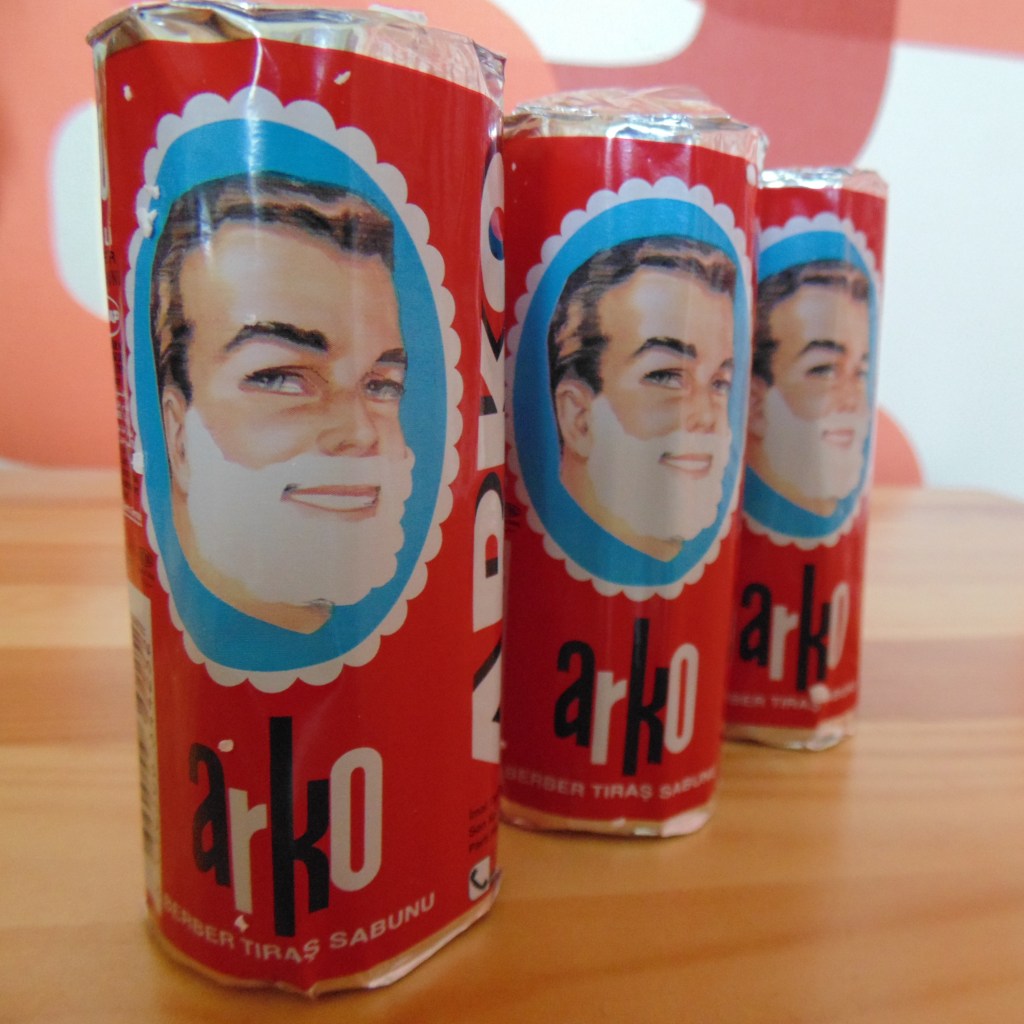
Take Arko shaving soap. A small stick of white soap wrapped in red paper, with a cheerful, old-fashioned face on the front. No heavy glass jar, no complicated fragrance story, no promise of a completely new way to shave. Just soap, a brush and a razor.
I have a soft spot for grooming products like this. They remind me that taking care of yourself doesn’t have to mean buying something expensive. Sometimes it’s about making a little time for an ordinary routine.
A little piece of Turkish barbershop history
Arko is a Turkish name, and its shaving soap dates back to 1957, according to the brand’s own history. The company later added creams, foams and gels, but the original barber’s soap is the one that still feels most connected to traditional shaving.
That red wrapper is part of the appeal. It looks like it belongs on the shelf of an old neighbourhood barbershop, next to a shaving brush, a metal bowl and a bottle of cologne. The design doesn’t have to pretend to be vintage. It simply is.
What you actually get
The original Arko shaving soap stick is a 75 g hard shaving soap. You use water and a brush to turn it into lather before shaving. It’s compact, uncomplicated and generally inexpensive: Canadian specialty retailers have listed it for only a few dollars, although price and availability vary.
The important difference from a can of shaving foam is that you build the lather yourself. That takes a little practice, but it gives you control over how thick or hydrated the foam feels. It’s less convenient than pressing a button. That’s also part of why people enjoy it.
That unmistakable scent
Let’s talk about the smell, because Arko isn’t for everyone. It has a strong, clean, distinctly soapy character. Depending on your taste, that might bring to mind a traditional barber’s shop — or simply a very assertive bar of laundry soap.
I wouldn’t describe it as a refined, modern fragrance. If you prefer subtle or fragrance-free grooming, the scent alone may put you off. And that’s a fair reason not to buy it. An old product doesn’t automatically suit every face or every bathroom.
How to shave with Arko
1. Soften your beard. Start with warm water on your face. A shower beforehand helps, but isn’t essential.
2. Wet your shaving brush. Damp is good; dripping wet isn’t. Load the brush with soap, or gently rub the stick over damp stubble and lather directly on your face.
3. Build the lather. Work the brush in circles and add a few drops of water at a time until the foam becomes creamy and easy to spread.
4. Shave without rushing. Start in the direction of hair growth, use light pressure, and reapply lather before another pass.
5. Rinse and finish. Wash away the remaining soap and use a moisturiser or aftershave balm that agrees with your skin.
You don’t need to turn every morning into a forty-minute ceremony. A decent brush and a few extra minutes will do.
Who is it for?
I’d put Arko in the bathroom of someone who likes traditional tools, old barber culture and sensible purchases. It makes particular sense if you already use a double-edge safety razor and want to try a classic shaving soap without spending much.
It makes less sense if you want the quickest possible shave, dislike prominent fragrances or already know your skin reacts badly to strongly scented products. In those cases, a gentler unscented option may be a better choice.
Why I think it still matters
There’s a reason I like the idea of keeping something like Arko around. Not every good product needs to be reinvented or marketed as a luxury experience. A shaving brush, warm water and a straightforward barbershop soap can still feel like a proper morning routine.
The charm isn’t only nostalgia. It’s that something inexpensive and simple can still have a place in a well-kept bathroom.
Product note: This is an editorial look at the classic Arko shaving soap and traditional wet shaving, not a measured performance test. Skin comfort, scent preferences and results vary.
Cover photograph: András Bögöly, 2014, licensed under CC BY 2.0. Original image, no editorial alteration.


