
A man can walk into a restaurant wearing a beautifully cut suit, polished shoes and an expensive watch. But if he speaks rudely to the person serving his coffee, I stop noticing the clothes.
I like good clothes. I like a well-kept watch, a thoughtful fragrance and all the little details that make personal style interesting. But I don’t believe any of them can make up for poor manners.
To me, good manners have less to do with knowing which fork to use and more to do with how you make people feel. And unlike fashion trends, that part never really gets old.
Being on time is a form of respect
Nobody is perfectly punctual every day. Traffic happens. Plans change. Sometimes the day simply gets away from you. But when you’re meeting someone, their time matters as much as yours.
If I know I’m running late, a quick message is the least I can do. Not ten minutes after we were supposed to meet — as soon as I know. It’s such a small gesture, but it says something important: I haven’t forgotten that someone is waiting for me.
The same goes for appointments, reservations and even casual coffee plans. Reliability may not be particularly exciting, but it’s a quality I notice.
Watch how someone treats the staff
I’ve never understood the idea of being charming to people you want to impress and dismissive to the people serving you. If anything, it tells me the opposite of what the person intends.
Saying please and thank you to a waiter, cashier, cleaner or delivery driver costs nothing. Being patient when a place is busy doesn’t make you less important. And when something goes wrong, it’s entirely possible to explain the problem clearly without embarrassing the person in front of you.
I don’t think good manners require pretending everything is fine. You can ask for your order to be corrected. You can disagree. You can say no. The difference is whether you do it with respect.
Put the phone down for a while
This one is probably the easiest habit to overlook. We’re so used to checking our phones that it can become almost automatic — a quick glance at a notification, then another, then a message that somehow needs an immediate answer.
When I’m sitting with someone, I think the best thing I can offer is my attention. Not half of it while the other half scrolls through a screen.
Of course, there are exceptions. An important call from family or something urgent at work is different. A simple ‘Sorry, I need to take this’ is usually enough. What feels rude is making the person across from you compete with your phone all evening.
A good conversation isn’t a performance
Some people can walk into a room and speak confidently to anyone. That’s a useful skill, but confidence and conversation aren’t quite the same thing.
I tend to enjoy talking to someone who asks a genuine question and actually listens to the answer. Someone who doesn’t turn every story into a story about themselves. Someone who can disagree without trying to win a public debate.
There are also moments when the right thing to say is very little. Let someone finish their thought. Don’t interrupt to correct a harmless detail. And if a person seems uncomfortable with a subject, change it. You don’t need a handbook to notice those things.
Dress for the occasion, not for applause
I still believe appearance matters. If someone invites you to dinner, a wedding, an interview or an important family gathering, making an effort with your clothes is one way of showing that the occasion matters to you.
That doesn’t mean wearing a suit everywhere. In some settings, a clean shirt, well-fitting trousers and decent shoes are exactly right. The point is to look like you considered where you were going, rather than dressing only to attract attention.
I wrote recently about why fit matters more than brand names. The same principle applies here: you don’t need the loudest outfit in the room to carry yourself well.
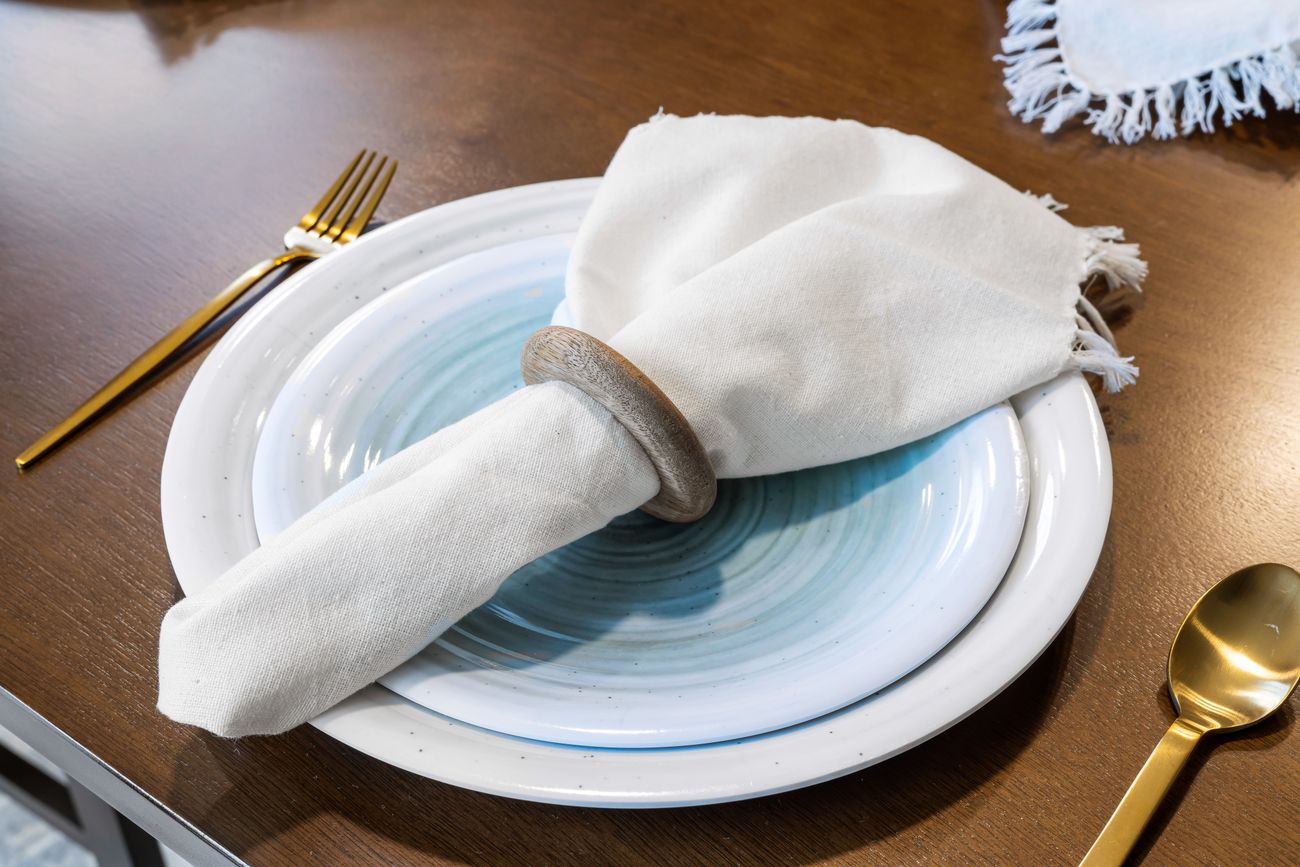
Table manners don’t need to be complicated
Formal etiquette can turn a simple meal into a collection of rules. I don’t think that’s what most people need.
A few habits go a long way: don’t speak with your mouth full, avoid reaching across somebody else’s plate, and try not to rush everyone through dinner because you’ve finished first. If you’re hosting, pay attention to whether your guests are comfortable. If you’re a guest, appreciate the effort someone has made.
And if you don’t know which glass or fork is yours at a formal table? Watch, ask quietly or make your best guess. I’d rather spend an evening with someone who makes a small etiquette mistake than someone who enjoys pointing it out.
The smallest gestures are often the ones people remember
Holding a door for the person behind you. Introducing someone who has been left out of a conversation. Looking up when a person speaks to you. Remembering a name. Apologizing properly when you’re wrong.
None of these things requires money, a particular background or an expensive education. You also don’t have to be endlessly agreeable. Courtesy isn’t weakness, and having boundaries doesn’t make you impolite.
I like the old-fashioned idea of being a gentleman, but not every old social rule deserves to survive. Respect shouldn’t depend on someone’s gender, job title, income or age. The useful part of the tradition is consideration for other people, not a rigid performance of what a man is supposed to be.
Style is what you wear. Character is what remains.
A beautiful suit can make an entrance. A good pair of shoes can improve an outfit. I enjoy those things, and I probably always will.
But if there’s one quality I’d rather be remembered for, it isn’t the price of my watch or the name stitched inside my jacket. It’s whether people felt comfortable, heard and respected around me.
That’s why, for me, good manners never go out of style. They’re not about looking superior. They’re about making everyday life a little better for the people sharing it with you.

