

The winter coat dilemma: looking sharp or staying warm? Perhaps you don’t have to choose.
Every winter, I find myself facing the same question. Do I wear the wool overcoat that makes almost everything look better, or the puffer jacket that feels like carrying a warm blanket around?
I like a proper wool coat. The structure, the lapels, the way it sits over a turtleneck. There’s something about it that an ordinary winter jacket doesn’t quite offer.
But I also live in Canada, where winter isn’t particularly interested in how well you’re dressed. And when the temperature drops well below freezing, looking sophisticated becomes considerably less important than being able to feel your fingers.
So, wool coat vs puffer jacket: which is actually better for winter? I think the answer depends less on fashion and more on how you spend your day.
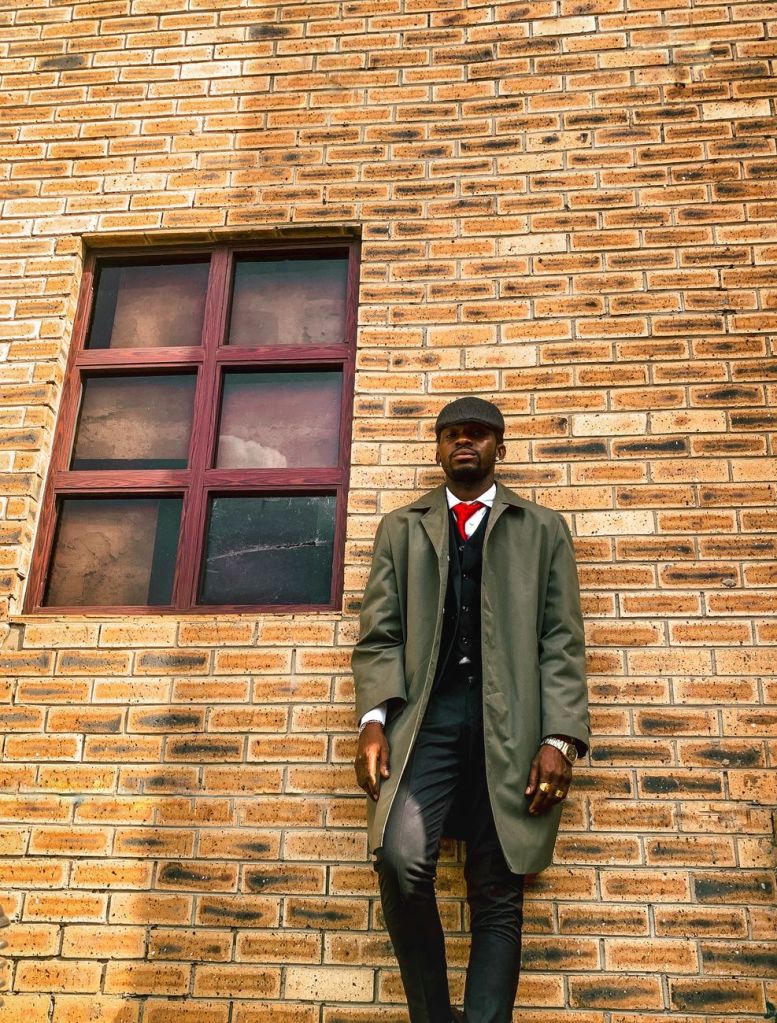
The Difference Isn’t Just About Style
A wool coat and a puffer jacket approach warmth differently.
A traditional wool overcoat relies on the fabric, its construction, and whatever you’re wearing underneath. Dense wool can provide excellent insulation, particularly when combined with a lining and good layering.
A puffer jacket, meanwhile, uses insulating material trapped between sections of fabric. That filling is usually down or synthetic insulation, designed to hold warm air close to your body.
Neither garment produces heat. Both help reduce how quickly your body loses it. That’s an important distinction because a thick-looking coat isn’t necessarily a warm coat. And a lightweight-looking puffer can be surprisingly effective. Construction matters far more than appearances.
Why I Still Prefer the Look of a Wool Coat
There’s a reason wool overcoats have remained part of men’s wardrobes for generations. They work. Not necessarily against every Canadian snowstorm, but certainly when it comes to putting together an outfit.
A charcoal overcoat over a black turtleneck and tailored trousers is hard to get wrong. A camel coat with dark denim and brown leather boots feels equally appropriate. Even something as simple as a navy coat over a grey crewneck sweater can make an otherwise ordinary outfit look considered.
And unlike some seasonal fashion pieces, a well-cut wool overcoat doesn’t become irrelevant just because another silhouette is trending.
Personally, I’d choose a single-breasted coat in navy, charcoal, or dark brown before experimenting with unusual colours. I also prefer one that finishes somewhere around the knee. Too short, and it starts resembling an ordinary jacket. Too long, and it can become unnecessarily dramatic for everyday use.
Of course, that depends on your height, proportions, and personal style. The coat should complement you, not look as though you’ve borrowed it from someone much taller.
If you’re unsure what to wear underneath, I’ve already written about men’s sweater necklines, from crewnecks to turtlenecks.
For a milder autumn day or an outdoor gathering, what you wear under the coat matters just as much. I have a short guide to what to wear to outdoor fall events, from layering to practical footwear.
Where the Puffer Jacket Wins
Now imagine waiting outside in January, with snow collecting around your shoes and the wind making the temperature feel considerably colder. Suddenly, the romantic appeal of a wool coat begins to fade.
A good insulated puffer, particularly a longer winter parka, is generally the more practical option for extended exposure to severe cold. It can offer substantial insulation without the weight of a heavy wool overcoat. Many models also include insulated hoods, adjustable cuffs, protected zippers, and wind-resistant outer fabrics.
These details matter. A beautiful coat with an open neckline and loose sleeves can let cold air enter. Meanwhile, a properly fitted parka that seals around the wrists, neck, and waist does a better job of limiting heat loss.
I also wouldn’t automatically dismiss puffers as unfashionable. The enormous, shiny jackets that make people resemble inflatable furniture are only one version of the design. There are much cleaner options.
A matte black puffer with minimal branding can look excellent with straight-leg jeans, boots, and a simple sweater. Olive, navy, and dark brown are equally versatile. You don’t need to look like you’re preparing to climb Mount Everest just to buy a warm winter jacket.
Which Is Actually Warmer: Wool or Down?
A well-insulated down jacket generally offers more warmth for its weight than a traditional uninsulated wool overcoat. Down consists of fine, fluffy clusters that create pockets of trapped air. It’s particularly effective in cold, dry conditions.
You’ll often see numbers such as 600, 700, or 800 fill power advertised on down jackets. Higher fill power generally means the down provides more loft per unit of weight. But don’t confuse that with an automatic guarantee of warmth.
An 800-fill-power jacket with very little down might be less suitable for extreme cold than a heavier jacket with lower fill power and substantially more insulation. You also have to consider the length, outer fabric, construction, and fit.
Wool is different. A tightly woven, substantial wool coat may perform well during ordinary winter days, especially with appropriate layers underneath. But I wouldn’t expect a relatively thin fashion overcoat to compete with a serious insulated parka in severe cold.
If I were walking around downtown Toronto on a fairly mild winter afternoon, I’d happily wear wool. If I were spending an hour outside in a bitter Canadian January wind, I’d reach for the insulated jacket. Fashion shouldn’t require unnecessary suffering.
What About Rain and Wet Snow?
Traditional down insulation loses much of its insulating performance when thoroughly wet because the clusters collapse and stop trapping air effectively. Synthetic insulation generally retains more of its insulating ability in damp conditions and dries faster.
That doesn’t mean every synthetic puffer is automatically waterproof. The outer fabric, seams, and protective treatments still matter.
Wool naturally handles some moisture, but a regular wool overcoat isn’t a raincoat either. Heavy rain can eventually soak it, make it considerably heavier, and leave you with a lengthy drying process.
For wet, slushy winter weather, I’d favour a jacket with a water-resistant or waterproof exterior and insulation suitable for those conditions. For cold, relatively dry days, down is an excellent option. And for shorter journeys in more manageable weather, a good wool overcoat remains perfectly reasonable.
What Makes a Good Wool Coat?
I wouldn’t buy a coat simply because the label says “wool blend.” That description can mean many things. Start by checking the actual composition. A coat containing a high proportion of wool is often worth considering, but the percentage alone doesn’t establish quality.
A dense, well-constructed wool blend can be more useful than a poorly made garment with a more impressive fibre label. Here’s what I would examine:
Fabric: Does it feel substantial without being excessively stiff? Is the weave dense enough to resist wind?
Lining: Does it help the coat slide comfortably over sweaters and jackets? Does it feel properly attached?
Shoulders: A structured overcoat should sit naturally without pulling or creating strange folds.
Buttons and stitching: These are small details, but they often reveal how carefully a garment has been made.
Room for layering: Try the coat over an actual winter sweater, not just a thin T-shirt.
And please don’t overlook the sleeves. An expensive overcoat with sleeves swallowing half your hands isn’t automatically elegant just because the brand is well known. I’ve discussed this in more detail in Why Fit Matters More Than Brand Names.
What Makes a Good Puffer Jacket?
With puffers, I pay more attention to insulation and construction than the logo. First, find out what’s inside. Down generally offers an excellent warmth-to-weight ratio. Synthetic insulation can be a better choice for damp conditions and is often less expensive.
Then look beyond the filling. Are the cuffs adjustable? Does the hood fit properly? Does the zipper have protection against drafts? Is the outer fabric suitable for the conditions in which you’ll wear it?
Length is another consideration. A waist-length puffer might look great, but a longer insulated jacket provides more coverage around the hips and upper legs.
And while we’re talking about quality, remember that not every expensive puffer is worth the money. Some brands produce genuinely impressive technical outerwear. Others charge a considerable premium for design, marketing, or the badge attached to the sleeve.
I have no problem paying for quality. I just prefer knowing what I’m paying for.
Is an $800 Coat Really Better Than a $300 Coat?
Sometimes. Not always. With a wool overcoat, additional money might buy you better fabric, a more refined cut, stronger construction, or superior finishing. It might also buy you a famous name.
The same applies to puffer jackets. A more expensive model may contain higher-quality insulation, a better protective shell, and more carefully designed cold-weather features. But price alone tells you remarkably little.
I’d rather own a $300 coat that fits beautifully and serves its purpose than an $800 one I bought primarily because I recognised the label.
Before purchasing, I ask myself three questions. Will I wear it regularly? Does it work with the clothes I already own? And would I still want it if the brand name were removed? If the answer to the last question is no, I’d probably keep looking.
Can You Wear a Hoodie Under a Wool Coat?
Absolutely, although I wouldn’t wear every hoodie under every coat. A plain, well-constructed hoodie underneath a relaxed wool overcoat can create an interesting contrast between traditional tailoring and modern streetwear.
I particularly like charcoal, grey, black, and cream for this combination. The trick is proportion. A thick oversized hoodie beneath a narrow, heavily structured overcoat can become uncomfortable and distort the coat’s shape. With a more relaxed coat, the combination makes considerably more sense.
The quality and weight of the hoodie also affect how it layers. If you’re shopping for one, my hoodie GSM and fabric weight guide explains what those numbers actually mean.
Personally, I still prefer a turtleneck or mock-neck sweater under a classic overcoat when I want a smarter look. But there’s no reason to treat the wool coat as something reserved exclusively for formal clothing.
Do You Actually Need Both?
I think most men living somewhere with genuinely cold winters would benefit from having both, assuming their budget allows it. Not because a wardrobe needs more clothes, but because these two garments solve different problems.
A wool coat is what I’d choose for dinner, a business meeting, a night out, or an ordinary day when I want to dress a little better. A proper insulated jacket is what I’d choose for long walks, heavy snow, outdoor activities, or particularly cold weather.
If I could own only one and had to survive a Canadian winter, I’d choose the practical winter jacket first. Not the glamorous answer, perhaps, but the sensible one. Once that necessity is covered, a good wool overcoat would be high on my list.
My Verdict: Choose the Coat for Your Life, Not the Photograph
I love how a wool overcoat looks. I love the simplicity of a dark coat over good knitwear and leather boots. It’s the kind of outfit that doesn’t need much explanation. But I also appreciate clothing that does its job.
A warm puffer might not always look as refined, but on the right winter day, it’s exactly what you need. The mistake isn’t choosing one over the other. It’s buying a coat because it looks wonderful in a photograph, then discovering it doesn’t suit the weather, your wardrobe, or the way you actually live.
Buy the insulation you need. Choose the fit you like. And don’t pay extra merely for the privilege of displaying someone else’s logo. That’s a winter wardrobe philosophy I can get behind.

